WPS Compliance Requirements for Pesticide Applicators
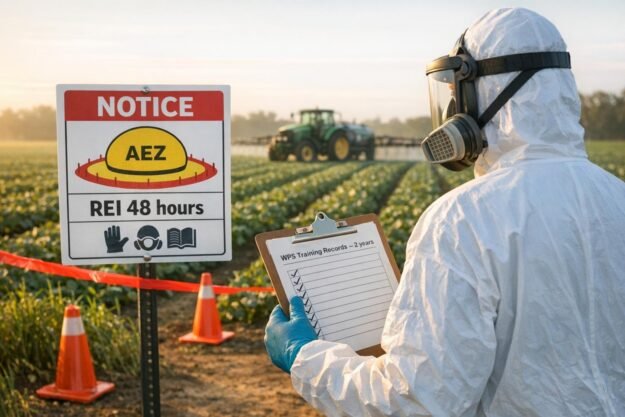
WPS compliance is essential: follow EPA-approved training, PPE rules, AEZ/REI limits, and two-year records to protect agricultural workers.
DetailsWPS compliance is essential: follow EPA-approved training, PPE rules, AEZ/REI limits, and two-year records to protect agricultural workers.
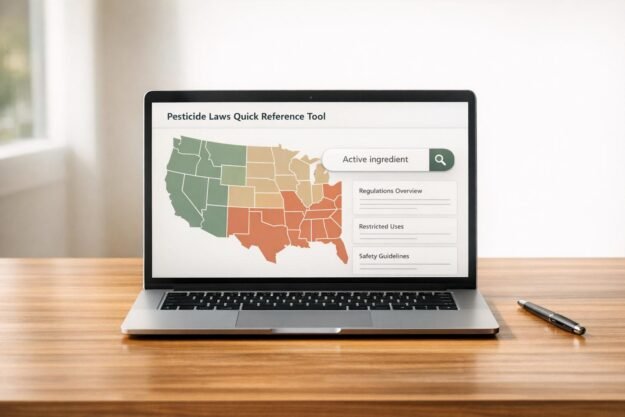
DetailsNeed pesticide laws for your area? Use our free tool to check regulations by region or active ingredient. Get clear, quick answers now!
DetailsNeed help with pest control terms? Use our free Terminology Finder to get clear definitions and examples for IPM, fumigation, and more!
DetailsStruggling with pests in your garden or home? Use our free Pest Identification Tool to pinpoint the culprit and get control tips in minutes!
DetailsHow buffer zones, drift-reduction tech, and training reduce pesticide drift to protect pollinators, aquatic life, and soil organisms.
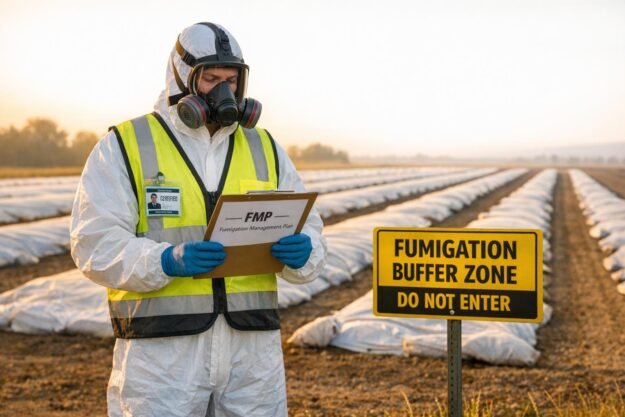
DetailsSoil fumigation training on safety gear, application methods, buffer zones, FMPs, chemical behavior, and EPA 3-year recertification.
DetailsLegal, practical PPE guidance for pesticide handlers: correct clothing, glove materials, suits, respirators, cleaning, and storage.
DetailsClear method to calculate compliant pesticide buffer zones, apply reduction credits, and document results for safe applications.
DetailsCompare federal and state pesticide recordkeeping: scope, timelines, retention, and extra data—follow the stricter rules to stay compliant.
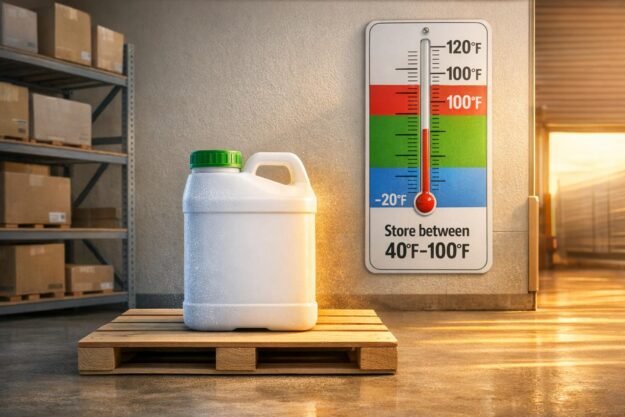
DetailsTemperature swings in transport and storage degrade pesticide formulations, change toxicity, and lower pest control—store and handle between 40°F and 100°F.
Details